
Retaining Wall Problems: Warning Signs and When to Call a Mason
Cracking, leaning, or water issues with your retaining wall? This guide helps you identify the problem, assess urgency, and find the right professional.
On this page
Retaining Wall Problems: Warning Signs and When to Call a Mason
That crack in your retaining wall? It wasn't there last spring.
Now you're watching it. Wondering if the wall is getting worse. Whether it's actually dangerous. And here's the question I hear constantly: who do you even call about a wall?
Here's what we've learned from repairing masonry walls across Ontario for over 20 years: most homeowners don't realize there are two completely different types of retaining walls. Calling the wrong professional wastes everyone's time—worse, it delays the fix while the damage spreads.
This guide will help you figure out what kind of wall you have, how serious the problem is, and who can actually fix it.
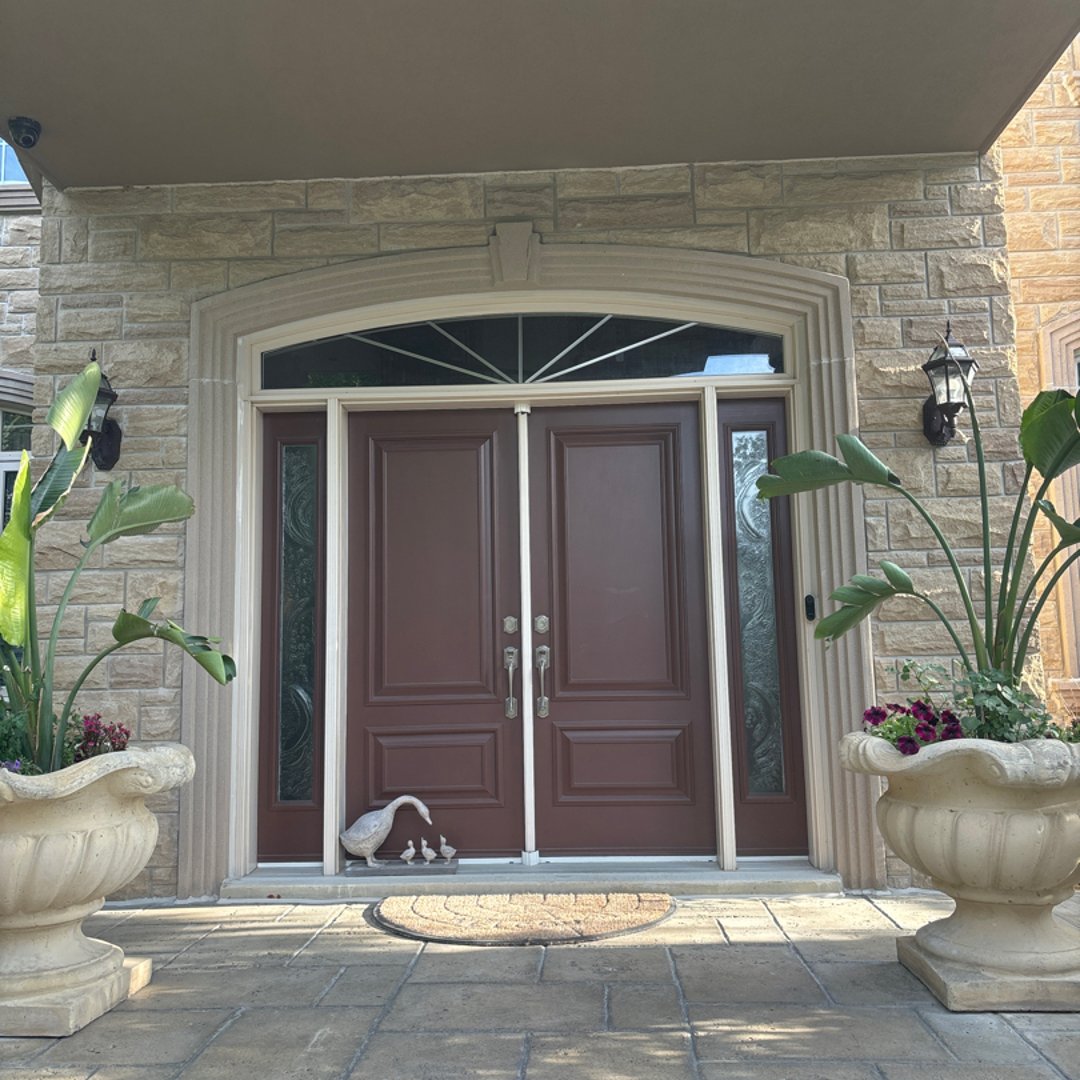
What Type of Wall Do You Have?
Before anything else, you need to know what you're dealing with.
Masonry Walls (Call a Mason)
These walls have mortar joints between individual bricks or stones:
- Brick entrance walls and pillars – Mortared brick at driveway entrances and property lines. Very common in Ontario subdivisions.
- Natural stone walls – Limestone, granite, or fieldstone set with mortar.
- Garden walls – Shorter walls with visible mortar joints around patios or property boundaries.
How to spot one: Look for mortar—the greyish material between bricks or stones.
Want more background? See our guide to types of retaining walls.
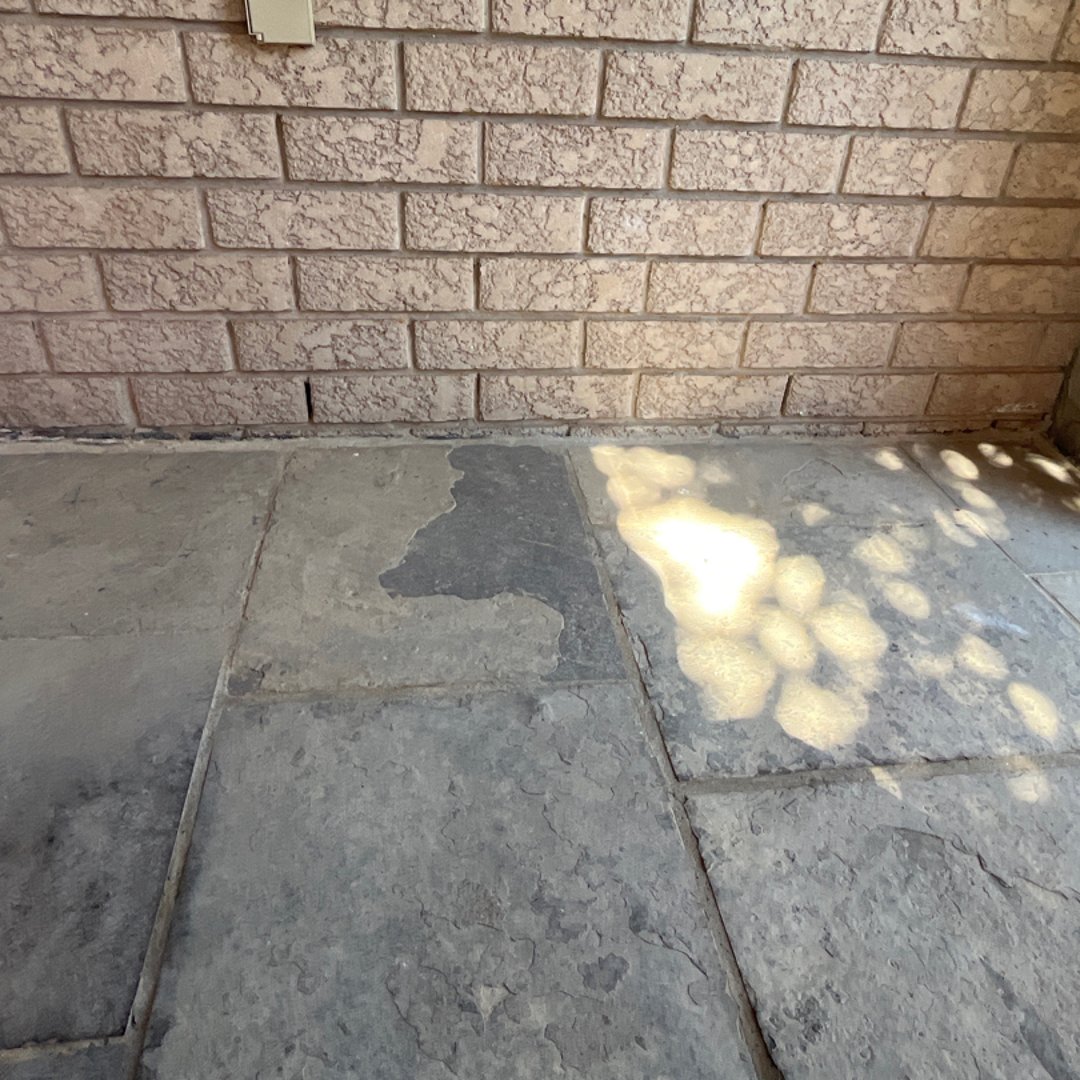
Landscape Walls (Call a Landscaper)
These walls stack without mortar:
- Armour stone / boulder walls – Large rocks stacked using weight alone.
- Interlocking block walls – Manufactured concrete blocks that lock together.
- Timber / railroad tie walls – Wooden construction.
- Gabion walls – Wire cages filled with rocks.
How to spot one: No mortar between pieces.
Is Your Problem Urgent?
| Urgent — Call This Week | Address Soon — Within a Month | Monitor — Watch for Changes |
|---|---|---|
| Wall leaning >2 inches | Visible cracking in mortar/stone | Hairline cracks (too thin for a coin) |
| Sections falling away | Minor bulging or bowing | Minor cosmetic staining |
| Water flowing into home/basement | Mortar crumbling from joints | Small vegetation in joints |
| Cracks wider than 1/4 inch | Water staining or efflorescence | Seasonal movement that returns to normal |
| Instability near walkways/driveways | Minor lean (less than 2 inches) |
If your wall shows problems in the "Address Soon" column, now is the time for stone masonry repair. Not next year. Not after winter.
Common Problems and What They Mean
We see eight problems repeatedly. Here's what matters about each:
| Problem | What You'll See | Likely Cause | Urgency |
|---|---|---|---|
| Leaning | Wall angles away from vertical | Soil pressure exceeding resistance | High if >2" |
| Bulging | Wall curves outward in middle | Hydrostatic pressure from water behind wall | High |
| Cracking | Lines in mortar or stone face | Pressure, settlement, or freeze-thaw | Depends on pattern |
| Mortar deterioration | Crumbling, soft, falling out | Age, freeze-thaw, salt, incompatible repairs | Medium |
| Water intrusion | Damp patches, seepage, pooling | Failed drainage or cracked mortar | High |
| Stone spalling | Face flaking or pitting | Water freezing inside stone | Medium |
| Base erosion | Foundation exposed, soil washing away | Poor drainage, inadequate footing | High |
| Missing caps | Top stones shifted or gone | Freeze-thaw, settlement, age | Medium |
The pattern with cracks matters: Horizontal cracks are most concerning—they indicate pressure pushing outward. Stair-step cracks suggest movement. Vertical cracks are often less urgent.
Water is behind almost every failure. Failed drainage, clogged weep holes, cracked mortar—research from the National Research Council of Canada confirms that moisture content at the time of freezing directly determines durability.
For mortar issues specifically, repointing—removing old mortar and replacing it with compatible new mortar—is core work for brick and stone entrance walls. See our stone repair guide for more on stone damage.
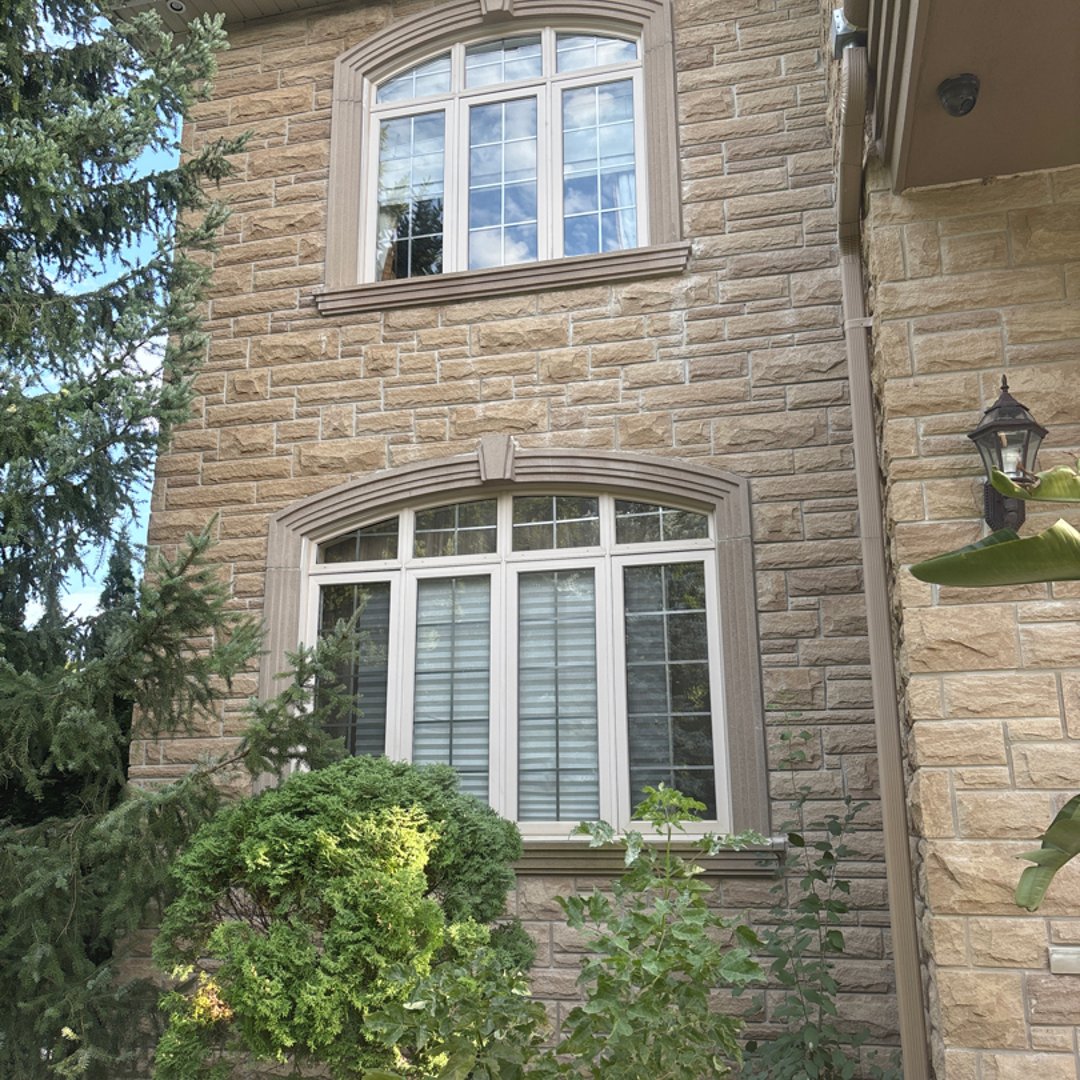
Why Ontario Winters Are Brutal on Walls
According to the Climate Atlas of Canada, Southern Ontario experiences 50+ freeze-thaw cycles every year.
Here's what that means: Water enters a crack. Freezes. Expands 9%. Wedges the crack wider. Thaws. More water enters. Repeat—fifty times a year.
Climate research from Ouranos confirms this accelerates masonry degradation. Add de-icing salt from nearby driveways drawing moisture deeper into the wall, and the damage compounds.
Walls near salted surfaces need more frequent inspection. If you're in Hamilton or other snow-belt areas, this is especially relevant.
What Happens If You Ignore It
One homeowner put it plainly: "The cracks were there for two years. We kept saying we'd deal with it next summer. By the time we called, the whole thing needed to come down."
We hear this constantly. Small cracks become water infiltration. Water damage becomes structural movement. A repointing job becomes a full rebuild. Early intervention for garden wall repair is always the smarter choice.
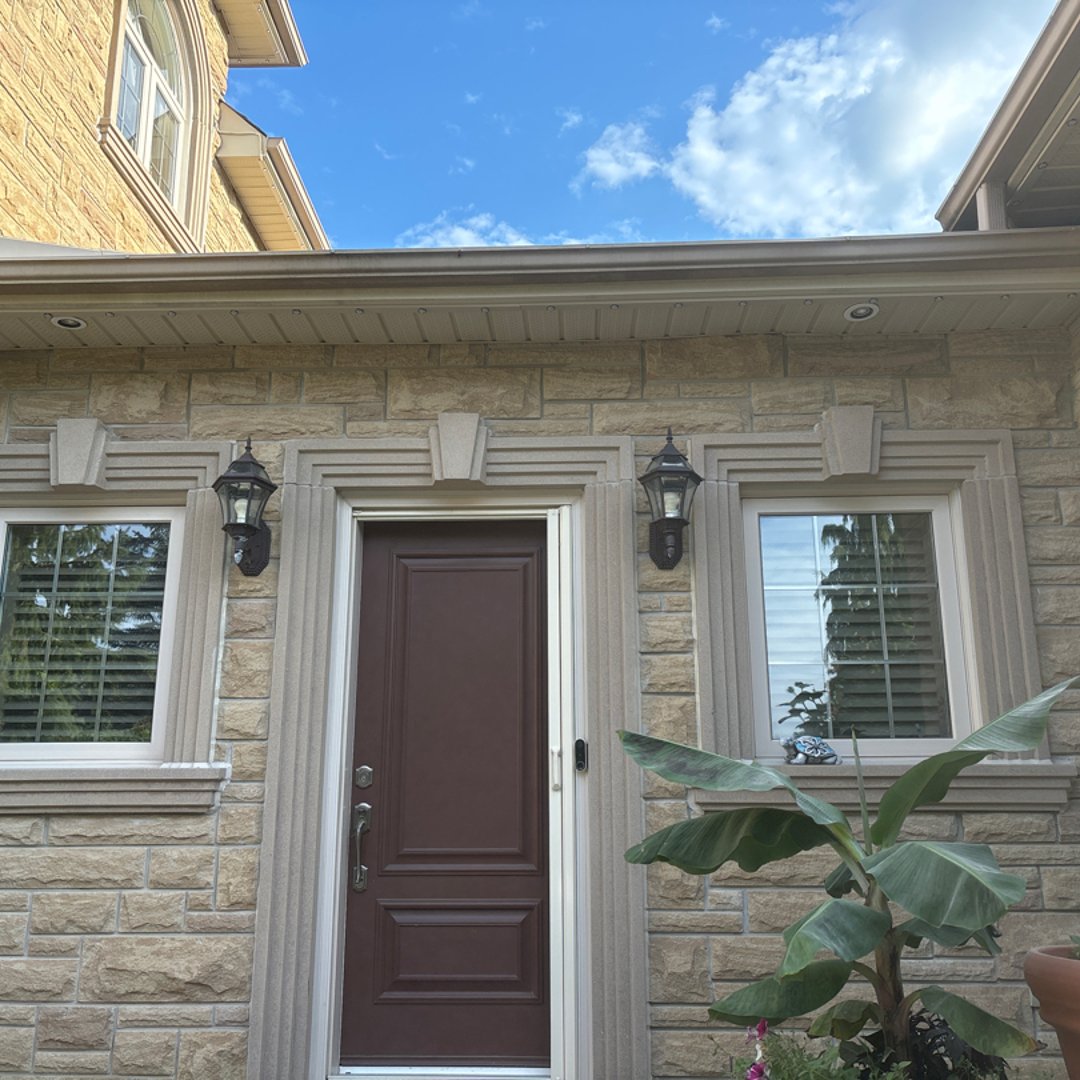
What a Professional Assessment Includes
For masonry walls, here's what we typically cover:
- Visual inspection – Wall condition, crack patterns, measuring lean
- Drainage evaluation – Water management, weep holes, grading
- Mortar analysis – Condition, type, compatibility
- Foundation check – Footing condition, erosion, stability
- Scope of work – What needs repair, what can wait, realistic timeline
A site visit takes 30-60 minutes. You get a written scope and quote—not a sales pitch.
Ready to have your wall assessed? Schedule a free assessment.
Who to Call: Quick Reference
| Wall Type | Call | Why |
|---|---|---|
| Brick entrance wall | Mason | Mortar work and structural repair |
| Natural stone (mortared) | Mason | Stone setting and mortar expertise |
| Garden wall with mortar | Mason | Repointing and stone replacement |
| Armour stone / boulder | Landscaper | Reset large stones, no mortar |
| Interlocking block | Landscaper | Block replacement and levelling |
| Timber retaining wall | Landscaper | Wood replacement |
If you're in Toronto or the surrounding area with a mortared wall, we can help.
Note: Walls over 1 metre in height near public areas may require permits under the Ontario Building Code. Your local building department can advise.
Frequently Asked Questions
How do I know what type of wall I have?
Look for mortar. See greyish material between bricks or stones? That's a masonry wall—call a mason. No mortar, just stacked stones or blocks? That's a landscape wall—call a landscaper.
What causes the bulge in the middle of my wall?
Water. Specifically, water-saturated soil creating hydrostatic pressure behind the wall. Ontario's freeze-thaw cycles make this relentless. Drainage is almost always part of the solution.
Are horizontal cracks worse than vertical ones?
Generally, yes. Horizontal cracks indicate pressure pushing outward—a structural concern. Vertical cracks often result from settling and may be less urgent.
Can a leaning wall be saved?
Sometimes. Minor leans (under 2 inches) can often be stabilized. Significant leans usually require rebuilding. Each wall is different.
How long should a masonry retaining wall last?
A well-built wall with proper drainage can last 50-100+ years. But mortar joints typically need repointing every 25-50 years.
What affects the cost of repair?
Wall length and height. Extent of damage. Whether it's repointing, partial rebuild, or full rebuild. Stone matching requirements. Drainage work. Site access. We provide detailed written quotes after seeing your wall.
Next Steps
For brick or stone entrance walls, garden walls, or masonry pillars: Book a free on-site assessment. We'll evaluate your wall, explain what's happening, and provide a written scope—no pressure.
For landscape retaining walls (armour stone, interlocking block, timber): Contact a landscaping contractor. They specialize in those wall types.
Need Professional Masonry Services?
Our expert team is ready to help with all your masonry repair and restoration needs across Ontario.