
Foundation Parging: What Ontario Homeowners Need to Know
Learn what foundation parging is and why it's essential for protecting your Ontario home. Our expert guide covers materials, application, and maintenance—plus how to spot problems before they get worse.
On this page
Most parging problems we see follow the same pattern: the coating held up fine for 8-10 years, then one winter it started flaking. By spring, chunks are falling off and water's getting behind it.
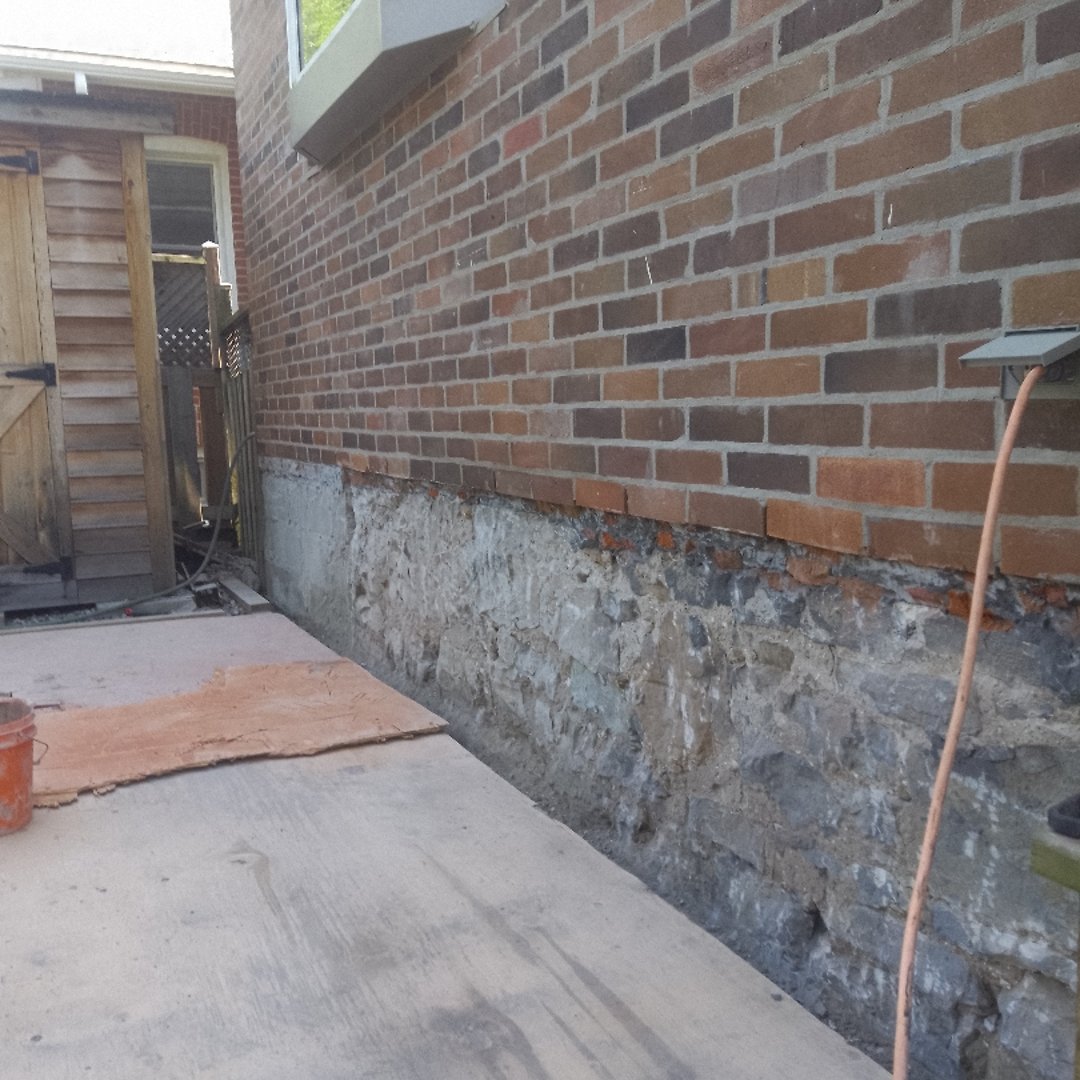
That's when homeowners call us.
After handling parging jobs across Southern Ontario for over two decades, we've learned exactly what causes this and how to prevent it. This guide covers what you need to know about foundation parging—before the damage gets worse.
What Is Foundation Parging?
Parging is a cement-based coating applied to the outside of your foundation walls. Think of it as a protective skin—it fills small gaps, hairline cracks, and surface irregularities that would otherwise let water in.
The mix is typically Portland cement, sand, and water, though modern products include polymers and additives for better flexibility. It goes on with a trowel in one or two layers, usually 6-10mm thick.
Why Older Homes Look Different
If your home is 30+ years old, you've probably noticed rough, sandy patches on your foundation. That's the original parging—often a basic mortar mix that's seen better days. Modern products are more durable and weather-resistant. Replacing old parging isn't just cosmetic; it's often the difference between a dry basement and water problems.
Why Your Ontario Home Needs Parging
Parging does several things at once:
Keeps water out. Water is the enemy of foundations. It widens cracks, deteriorates mortar, and creates conditions for mould in your basement. Parging is your first line of defence.
Fills cracks before they spread. Even hairline cracks let moisture in. During heavy rain or spring melt, that water finds every opening. Parging seals them.
Protects the foundation surface. Ontario's temperature swings—from +30°C summers to -25°C winters—make your foundation expand and contract constantly. Parging acts as a buffer.
Extends foundation life. By preventing water damage and weathering, proper parging can add years to your foundation and prevent expensive structural repairs.
Looks better. Fresh parging gives your foundation a clean, finished appearance. Not the main reason to do it, but a nice bonus.
Ontario's Climate: Why It's Hard on Parging
Southern Ontario is tough on foundations. Understanding why helps you make better decisions about materials and timing.
Freeze-Thaw Cycles
We get 40-60 freeze-thaw cycles per year. That's your foundation expanding and contracting every few days from November through April.
Here's what happens: water gets into small cracks, freezes, expands by about 9%, and forces the crack wider. Then it thaws and allows more water in. Repeat 50 times per winter.
The worst damage happens during early March warm spells. Temperature jumps from -10°C to +8°C, melts snow against your foundation, then drops below freezing overnight. That water finds any weakness in your parging and pries it open.
Location Matters
We see more parging failures on Hamilton Mountain and in Ancaster than down in the city. The escarpment exposure means more wind, faster temperature swings, and harsher freeze-thaw stress.
Properties with north-facing foundations also take more punishment—they stay colder longer and see less sun to dry out moisture.
Spring Snow Melt
Southern Ontario's snow accumulation creates major water pressure at the foundation level come spring. Saturated soil pushes against your foundation wall, and any opening becomes a pathway for water.
If your parging is questionable, getting it addressed before spring melt is smart planning.
Parging Materials: What Actually Works Here
Not all parging products perform the same in our climate. Here's what we've learned:
Traditional cement-based parging is affordable and has been used for decades. It works, but it's rigid—which means cracking is common as foundations settle and shift. Expect 8-12 years if applied properly.
Polymer-modified parging includes flexible additives that help the coating move with your foundation. Better crack resistance, longer lifespan (12-15+ years), but costs more and requires experienced application.
Acrylic products offer good water resistance and UV protection. They're often used in combination with other products for enhanced performance.
The right choice depends on your foundation type, existing condition, and budget. We can assess what makes sense for your situation.
How Parging Is Properly Applied
Understanding the process helps you recognize quality work—and know when shortcuts are being taken.
Step 1: Surface Preparation (The Critical Part)
This is where most DIY attempts fail and where cheap contractors cut corners.
The foundation surface must be cleaned thoroughly:
- All loose or deteriorating old parging removed
- Dirt, moss, and algae scrubbed off
- Efflorescence (white mineral deposits) cleaned away
- Any paint or sealants that prevent bonding removed
Poor surface prep leads to premature failure. The new coating has nothing to grip—it just sits on top and peels off. We spend significant time on this step because it determines whether the parging lasts 3 years or 15.
Step 2: Crack Repair
Before applying new parging, significant cracks need attention. Deep cracks may need specialized repair compound. Small cracks can be filled during the parging process itself.
Step 3: Application
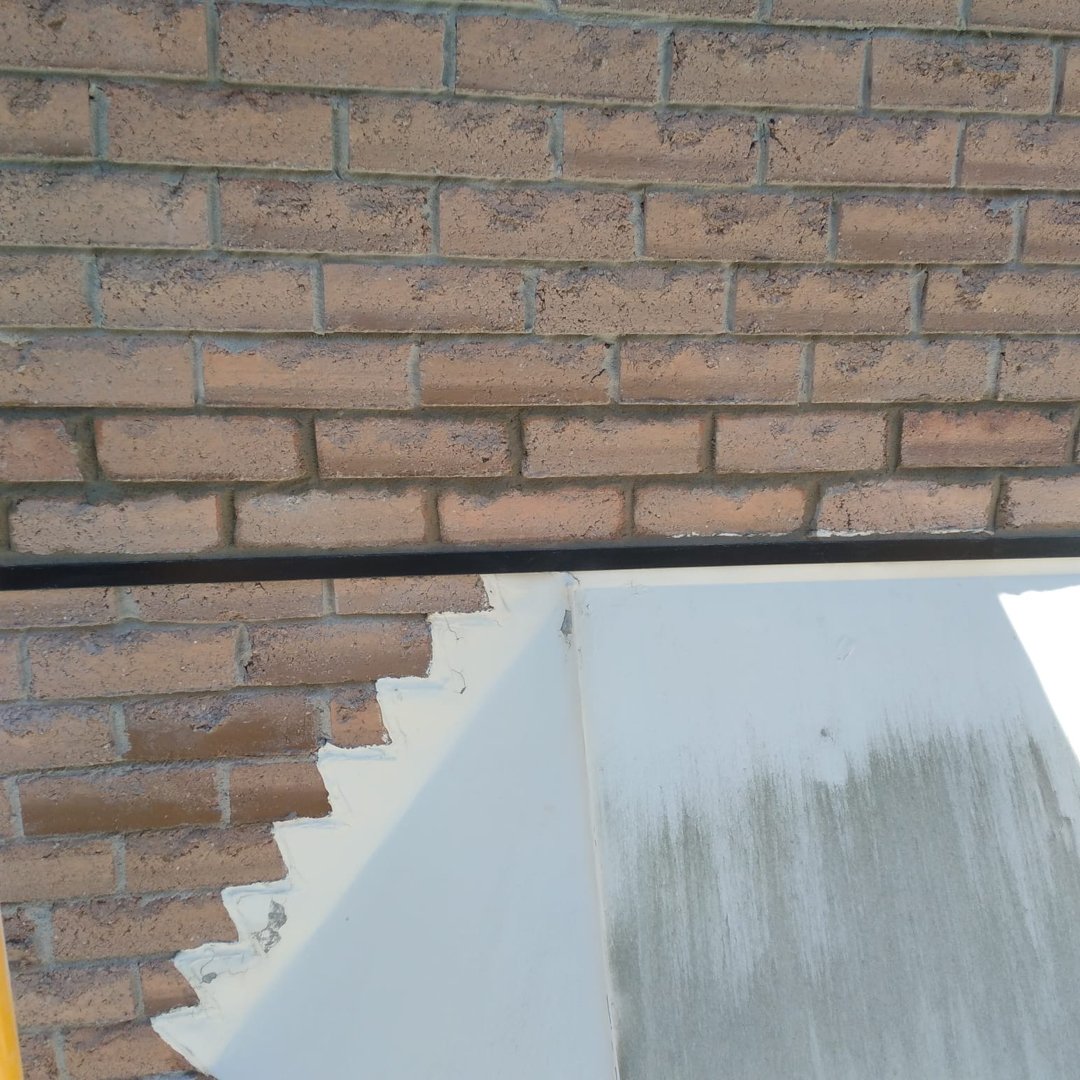
The parging compound is mixed to proper consistency and troweled onto the foundation in sections. Professional applicators feather edges for uniform appearance and consistent thickness (typically 6-10mm).
Weather conditions matter:
- No application below 5°C or above 30°C
- No direct rain during application or curing
- No direct sun that causes too-fast drying
These conditions prevent proper curing and adhesion.
Step 4: Curing
Different products have different curing requirements. Traditional cement-based parging needs 5-7 days before exposure to heavy rain or temperature extremes. Rushing this step leads to failures.
When Your Foundation Needs Parging
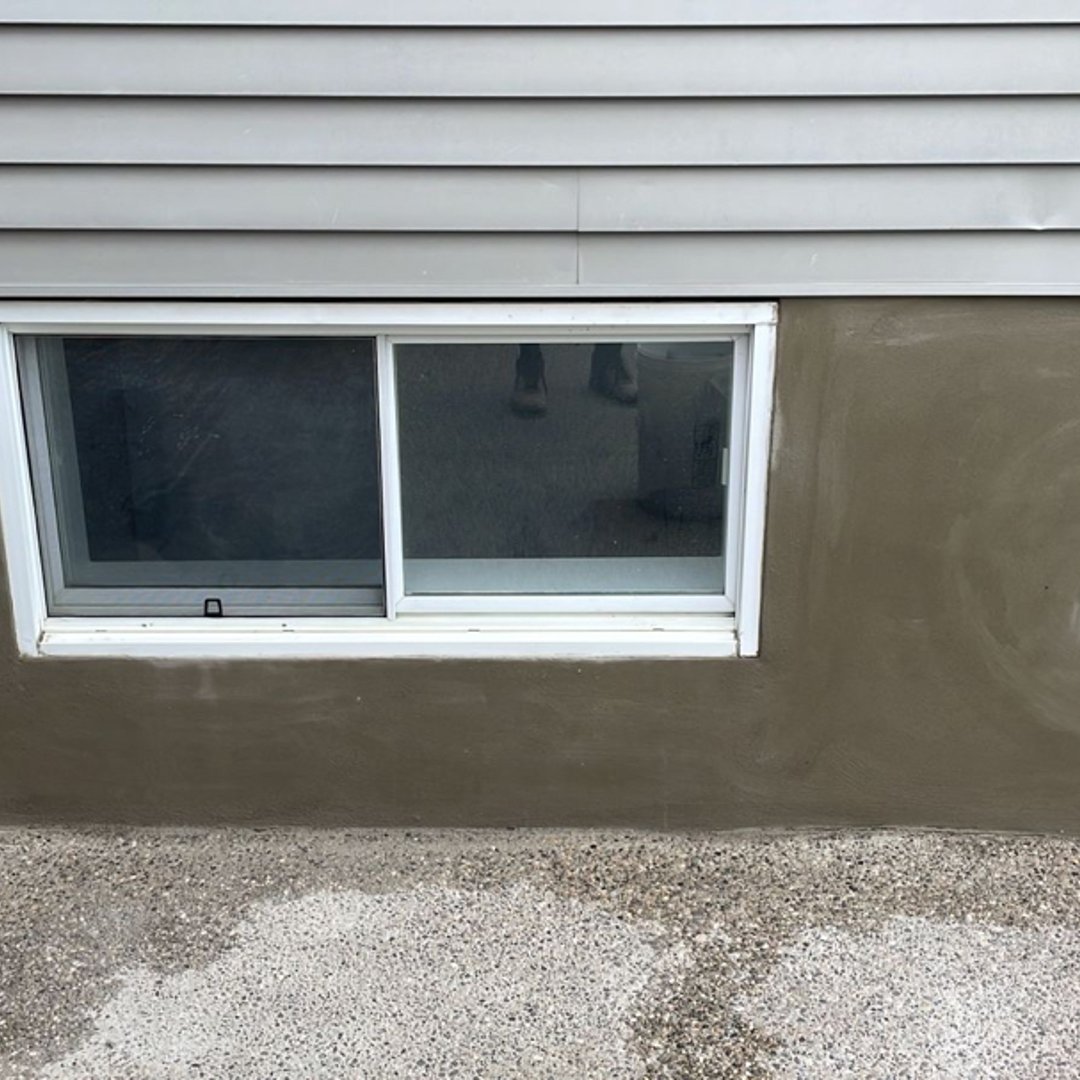
Not every foundation needs immediate attention. Here's how to prioritize:
Urgent (Address Before Winter)
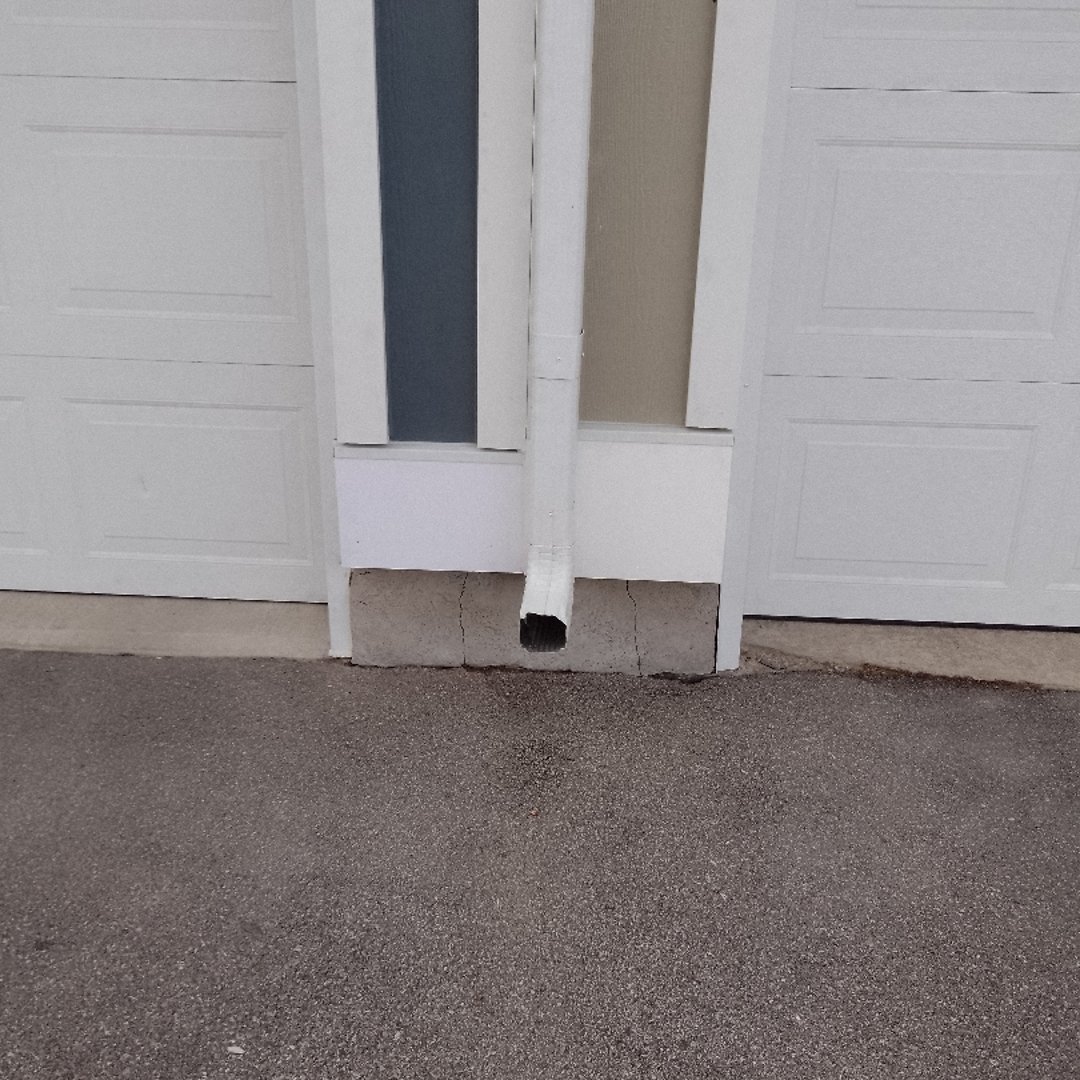
Peeling or missing parging — Once the coating separates, water gets behind it and accelerates the damage. We've seen foundations go from "small patch needed" to "complete re-parge" in a single winter because the homeowner waited.
Active water in basement — If you're seeing water inside, you have a problem that's getting worse. Parging may be part of the solution.
Soon (This Season)
Visible cracks — Hairline cracks are your early warning. They're not emergencies, but they're telling you the coating is failing. Address them before next winter.
Water staining on foundation — Dark patches mean water is getting through somewhere. Check your basement for matching damp spots.
Monitor
Surface roughness or minor pitting — The parging is aging but still functional. Keep an eye on it and plan for replacement in the next few years.
Efflorescence (white deposits) — This is mineral buildup from water moving through the foundation. It's a symptom, not the problem itself. Worth investigating why water is moving through.
Maintenance: Making Parging Last
Parging isn't maintenance-free, but a little attention extends its life significantly.
Walk around your foundation annually, especially after winter. Look for new cracks, peeling areas, or deterioration. Catching problems early keeps them small.
Clean moss and algae gently with a soft brush. Don't use pressure washers—the force can damage the coating.
Patch small damage promptly. A $50 repair kit now prevents a $2,000+ re-parge later.
Maintain drainage. Keep gutters clean and ensure water flows away from your foundation. Poor drainage is the enemy of parging—it keeps the foundation wet and accelerates damage.
"Also repaired foundation stones by the garage with parging, made sure the colour matched well. Clean, polite and great workers." — Lisa T.
When to Call a Professional
While you can handle minor cleaning and inspection yourself, most parging work should be left to experienced masons. Contact a professional if you notice:
- Cracks larger than 3mm (about the width of a nickel edge)
- Parging peeling or missing in areas larger than your hand
- Active water leaks in your basement
- Signs of foundation settling or movement
- Deteriorating mortar between foundation stones or blocks
For Ontario homeowners, addressing parging issues before winter is especially important. Freeze-thaw damage accelerates quickly, and water problems compound through spring melt.
Get Your Foundation Assessed
Wondering about your foundation's condition? We offer free on-site assessments throughout Southern Ontario. We'll evaluate your parging, identify any problems, and give you straight answers about what's actually needed—from simple repairs to complete re-parging.
Whether your parging needs a patch or a full replacement, we'll help you make the right decision for your home.
Request a Free Assessment or call us at (905) 807-0404.
Related Reading
Need Professional Masonry Services?
Our expert team is ready to help with all your masonry repair and restoration needs across Ontario.