
Brick Repair vs Replacement: Ontario Expert Guide
When to repair damaged brick versus replacement. Ontario masonry experts explain differences, costs, and decision factors for your home.
On this page
A homeowner in Burlington called us last month, convinced her entire front wall needed replacement. The damage looked severe—flaking brick faces, crumbling mortar, dark water staining. She'd already gotten a quote from another company for a full wall rebuild.
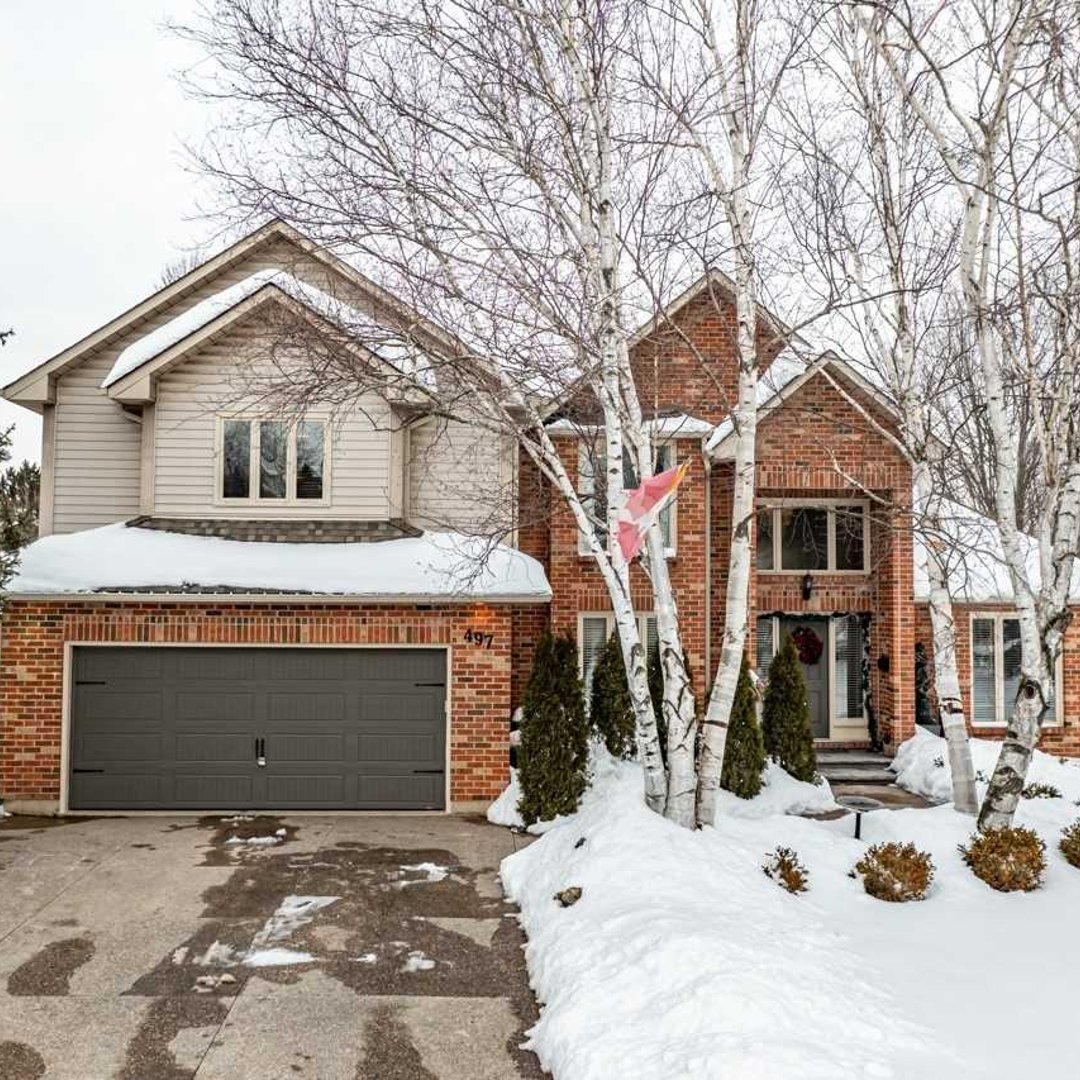
After our assessment, we tuckpointed about 20 linear feet of mortar joints and treated minor surface spalling. Her wall was structurally sound. The visible damage was almost entirely mortar failure, not brick failure.
That's the thing about brick damage: it almost always looks worse than it is. Since 2023, we've issued nearly 10,000 masonry quotes across Southern Ontario—and roughly 80% of the brick damage we assess turns out to be a repair candidate, not a replacement. The trick is knowing which is which.
Quick Answer: Repair or Replace?
| Factor | Repair | Replace |
|---|---|---|
| Best for | Mortar failure, surface spalling, isolated damage | Structural cracks, severe spalling, widespread failure |
| Brick condition | Sound underneath the damage | Crumbling, cracked through, soft to touch |
| Scope | Targeted areas (a few joints, individual bricks) | Sections or entire walls |
| Matching required | Mortar colour matching | Brick + mortar matching |
| Typical longevity | 25-30 years (with proper mortar) | Matches original brick lifespan |
| Disruption | Minimal—often same-day work | More involved—scaffolding, sourcing, multi-day |
Quick test: Press your finger firmly against the damaged brick. If it's solid underneath despite surface flaking—repair. If it crumbles, feels soft, or your finger leaves an indent—likely replacement.
When Repair Is Sufficient
Most brick damage we see can be successfully repaired without full replacement. If you're seeing any of these conditions, repair is typically your best option:
Mortar deterioration is the most common issue in Ontario homes. When mortar erodes, water infiltrates joints, compromising the wall's integrity. Professional tuckpointing—removing old mortar and installing new—solves this problem effectively.
Here's the key insight: mortar is designed to fail before the brick does. It's softer than brick on purpose. When mortar crumbles, it's doing its job—sacrificing itself to protect your brick. That's why repointing works so well. You're replacing the sacrificial layer, not the structural one.
Minor surface spalling doesn't always require brick replacement. If the damage is limited to the brick's outer face and the underlying structure remains sound, protective treatments often prevent further deterioration. One homeowner in Ancaster had surface spalling on her front wall that looked alarming—but after assessment, we found the brick was solid underneath. Treatment and sealing stopped the progression. Learn more about what causes spalling brick damage to understand the deterioration process.
Small cracks in mortar joints are easily repaired. Tuckpointing addresses the problem without removing brick. Even hairline cracks in the brick itself (smaller than 3mm) typically don't compromise structural integrity and can be monitored or sealed.
Efflorescence and staining, while unsightly, don't require brick replacement. These surface issues respond well to cleaning and moisture management solutions. Addressing the underlying moisture problem prevents recurrence better than replacing the brick itself.
When Replacement Becomes Necessary
Some conditions do require removing and replacing damaged brick. Knowing these warning signs helps you avoid bigger problems. If you're not sure what you're seeing, review our guide on signs your brick needs attention:
Severe structural damage to individual bricks—deep cracks running through the brick (not just the mortar), large chunks missing, or brick that crumbles when you press it—means replacement is necessary. The brick has lost load-bearing capacity.
We recently worked with a homeowner whose garage pillars had four courses of clay brick that were cracked and crumbling. The cause? Years of salt and moisture absorption from the driveway. The brick wasn't just damaged on the surface—it was failing throughout. We removed the damaged courses and replaced them with concrete block, then parged for a clean finish. That's a clear replacement scenario: the brick itself had lost structural integrity.
Extensive spalling affecting more than 30% of a brick's face or depth compromises both appearance and water resistance. Unlike minor surface spalling, advanced deterioration makes the brick unreliable. Ontario's wet winters accelerate this damage once it starts.
Bricks saturated with water or showing interior deterioration may need replacement. If moisture has penetrated deep into the brick and freeze-thaw cycles have broken down the internal structure, treatment may only delay failure.
Multiple adjacent damaged bricks sometimes warrant replacement rather than patch repairs. When 3-4 bricks in a section are compromised, replacing them together creates a more cohesive and durable repair than treating each individually.
The Matching Challenge: Can New Brick Look Like Old?
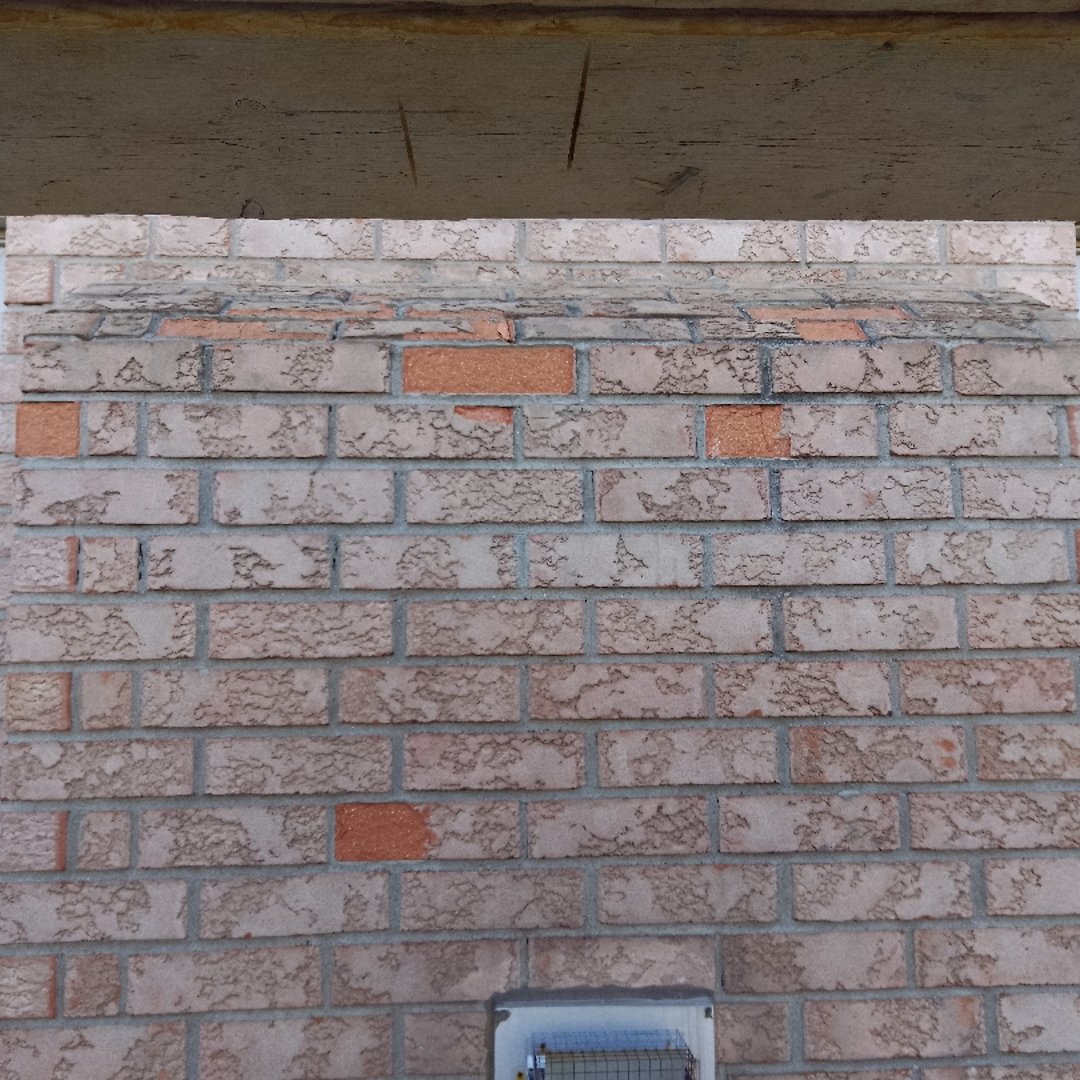
This is where homeowners worry most—and where our work gets interesting.
The short answer: yes, proper matching is possible. But it takes experience.
One customer—let's call him Brad—had a 120-year-old house with spalling brick on the front facade. He was worried the new brick would stick out, creating a visible "patch job" that would hurt his home's character. Our crew spent a week on-site, and by the end, Brad couldn't identify which bricks were original and which were new.
Here's how matching actually works:
Brick matching involves three elements: colour, texture, and size. Older homes built before the 1980s often contain discontinued brick styles. Even if similar brick still exists, decades of weathering mean new brick looks distinctly different next to 50-year-old brick.
Common matching challenges in Ontario:
- Handmade brick from early 1900s homes shows colour variation that's nearly impossible to replicate with modern machine-made brick
- Regional clay sources mean brick from Toronto-area manufacturers differs from Hamilton-area brick in colour and texture
- Seasonal weathering creates patina that new brick doesn't have
- Discontinued patterns from manufacturers that no longer exist
For a 140-year-old Victorian in Hamilton, we rebuilt multiple chimneys and had to custom-cut and fit bricks to match the original decorative design. The homeowner had gotten quotes from several companies—some wouldn't even attempt it. That kind of heritage work requires patience and craftsmanship.
But here's good news: matching is often easier than homeowners expect.
Steve K. had brick replaced around a window on his 30-year-old Burlington home. His verdict: "You would need to know that they were replaced in order to tell that any work was done." Diana P. had similar results on her 80-year-old home: "The new work blends seamlessly with the existing work."
Even when perfect matching isn't possible, honest communication makes the difference. Cheryl E. needed a door bricked in on her 60-year-old house. We warned her upfront the colour wouldn't match exactly. Her response after: "The style of brick does match, and the colour exceeded my wildest expectations."
Bridget C. summed up what good matching looks like: "They matched our brick perfectly—you can't even tell where the old part ends and the new part starts."
Mortar matching is equally important. Old mortar in Ontario homes often contains lime in higher proportions than modern Portland cement mixes. New mortar must be softer than the brick (so mortar fails first, protecting the brick) and compatible with old mortar composition. If new mortar is too hard, it actually accelerates brick damage.
For extensive replacements, we source reclaimed brick when possible or find close approximations from specialty suppliers. For minor repairs, accepting slight colour differences that will weather over time is often the practical choice.
View examples of successful brick matching in our Hamilton and Toronto service areas, where we've worked on homes ranging from century-old heritage buildings to modern construction.
What Happens If You Ignore Damaged Brick
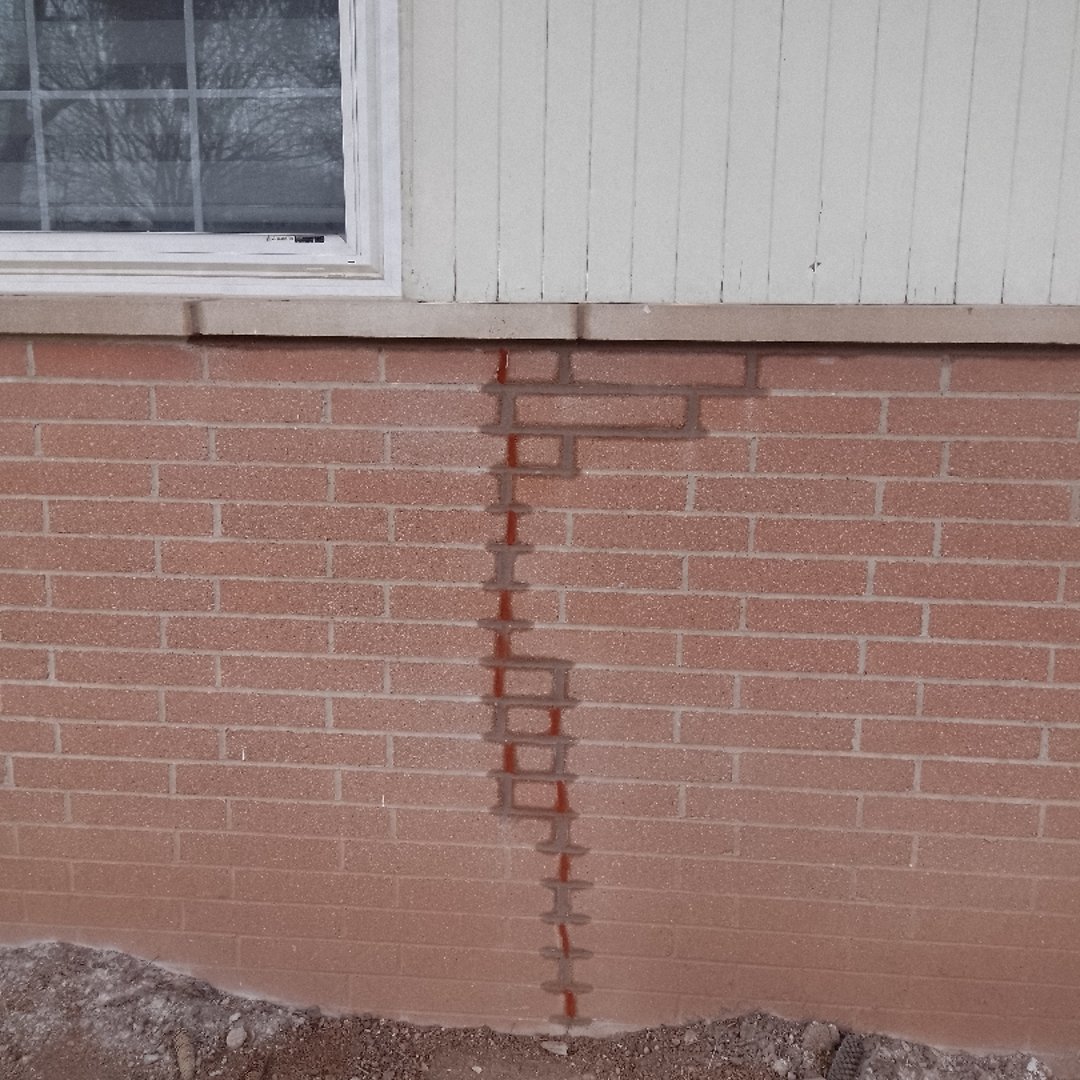
Small brick damage becomes big brick damage. Here's the typical progression we see in Ontario homes:
Year 1: Surface spalling appears, mortar gaps develop. Damage looks minor. Easy to dismiss.
Years 2-3: Water enters through gaps. Ontario's freeze-thaw cycles expand the damage—water freezes, expands, breaks down more material. Each winter makes it worse.
Years 3-5: Adjacent bricks and mortar start failing. What was isolated damage spreads outward. The repair scope doubles or triples.
Year 5+: Structural concerns develop. Sections may become unstable. What started as a tuckpointing job becomes a wall rebuild.
We see this pattern constantly. A homeowner who addressed mortar gaps when they first appeared might spend a few hundred dollars on tuckpointing. The same homeowner who waits five years might face a multi-thousand-dollar replacement job—and potential water damage inside the home.
De-icing salt around foundations and driveways accelerates this timeline. Learn more about salt damage and brick deterioration.
The Decision Framework
Use this framework to assess your situation:
Step 1: The finger test Press your finger firmly against the damaged brick. Solid underneath? Repair candidate. Crumbles or feels soft? Likely replacement.
Step 2: Assess the damage extent
- Is it isolated (1-3 bricks) or widespread?
- Is it surface-level or deep into the brick structure?
- Are multiple bricks affected, or just mortar?
Step 3: Consider structural impact
- Is this a load-bearing wall?
- Is water penetrating behind the brick?
- Are there cracks in surrounding areas?
Step 4: Evaluate visibility and aesthetics
- Is the damaged area highly visible from the street?
- Is this a historic home where architectural integrity matters?
- Can you accept a visible repair, or does it need to disappear?
Step 5: Review your timeline
- Do you need immediate action for safety or water management?
- Is this pre-winter work to prevent freeze-thaw damage?
- Can repairs be phased over time?
Step 6: Get a professional assessment This is the critical step homeowners often skip. A qualified mason assesses conditions you can't see—structural integrity, hidden water damage, mortar composition, and load-bearing requirements.
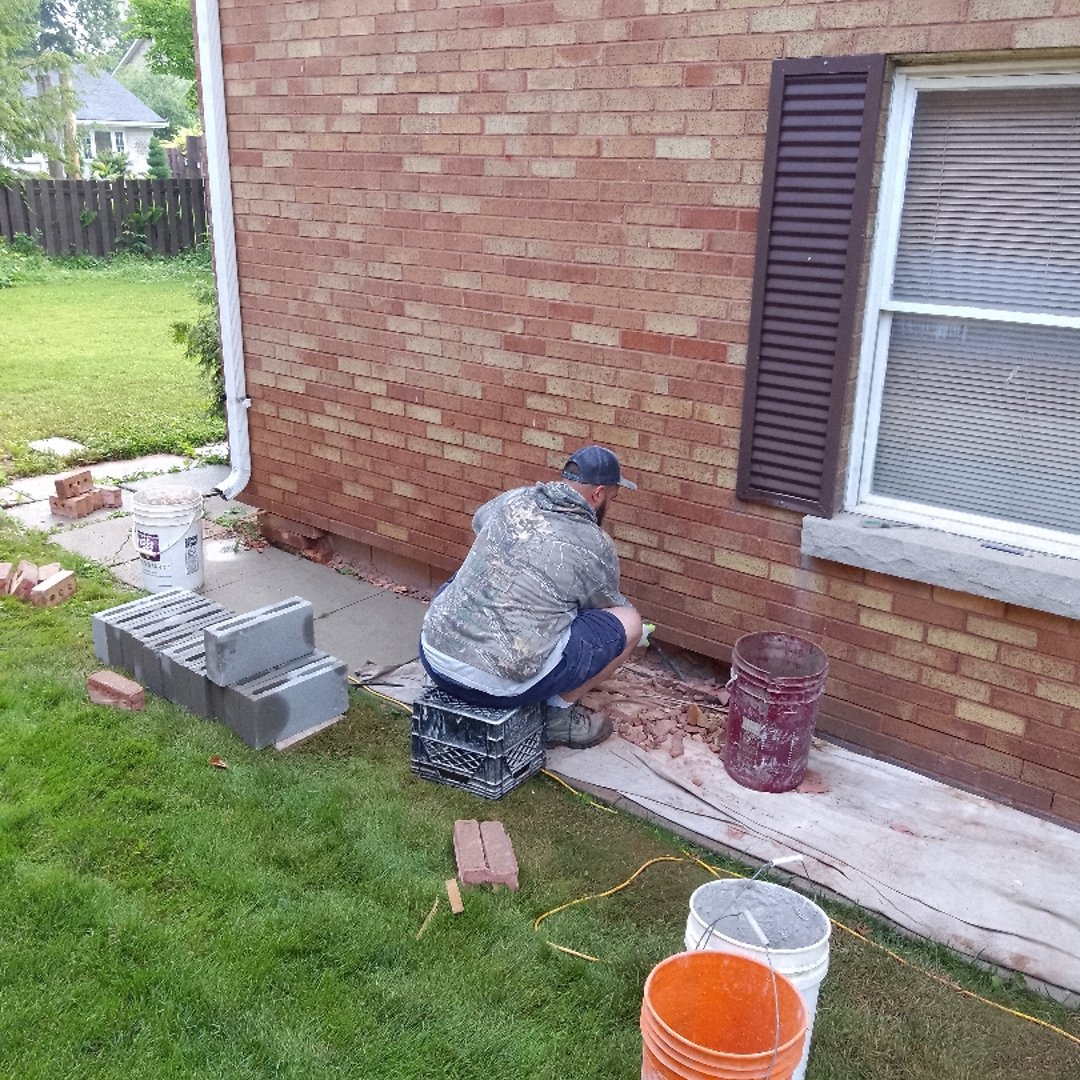
One Oakville homeowner contacted us after getting an "emergency" chimney rebuild quote from another company. They wanted a second opinion. After our assessment, we determined the chimney needed repair, not full replacement—saving them significant money. Professional assessments prevent costly mistakes.
When to Call a Professional
Contact a qualified mason if you notice:
- Mortar crumbling or eroding from joints (even small areas)
- Any cracks larger than 3mm (about 1/8 inch)
- Water staining or moisture issues inside or outside the wall
- Spalling affecting more than a few bricks
- Brick that feels soft or crumbles when scraped
- Signs of settlement or movement in the masonry
For Ontario homeowners, it's especially important to address these concerns before winter. Freeze-thaw cycles will worsen existing damage, turning a manageable repair into a replacement scenario. Water that enters mortar joints expands as it freezes, creating additional damage throughout the season.
Get an Honest Assessment
Not sure which you need? We'll come out, look at the damage, and tell you straight—even if the answer is "leave it alone for now." No charge, no pressure.
We photograph everything and explain exactly what we're seeing. You'll understand your options before we leave. Our crews—including experienced masons who've worked on everything from Victorian chimneys to modern tract homes—know the difference between damage that needs immediate attention and damage that can wait.
Request a Free Assessment or call us at (905) 807-0404.
For a guided self-assessment before you call, try our Repair vs Replace Decision Guide.
Learn more about our Brick Repair Services or explore Tuckpointing as a specific repair solution.
Need Professional Masonry Services?
Our expert team is ready to help with all your masonry repair and restoration needs across Ontario.