1
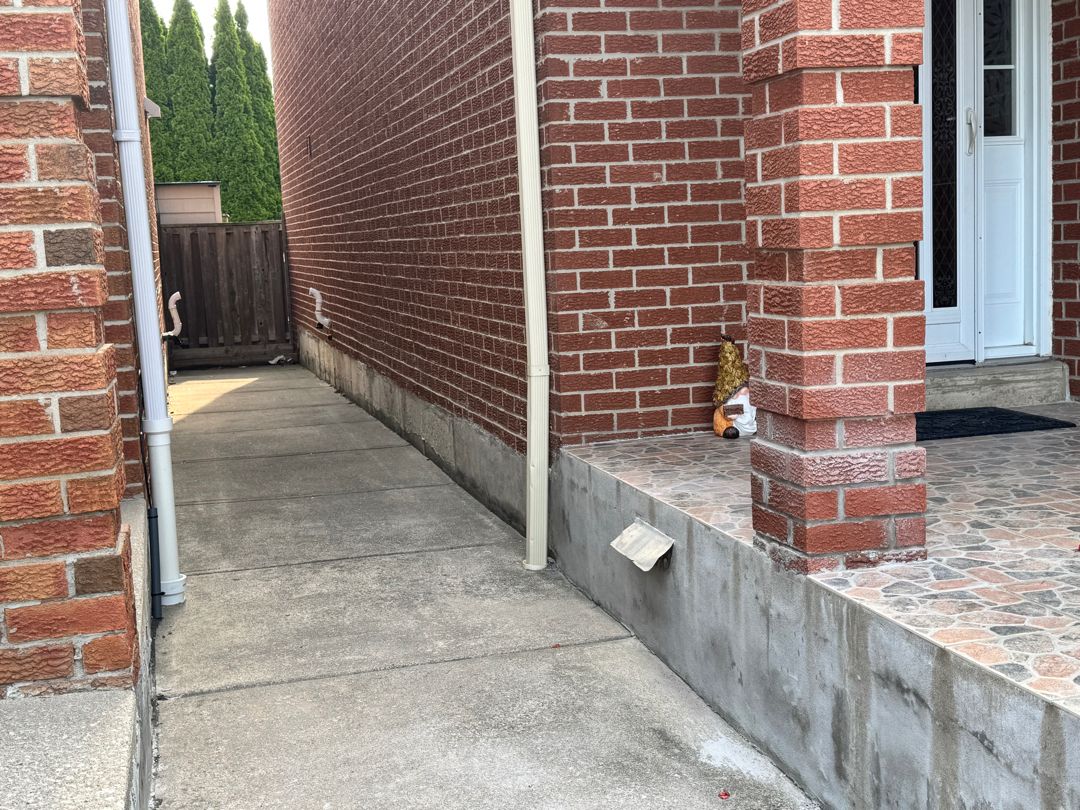
Before
We Assess the Problem
We inspect the damage, identify what caused it, and plan the fix. No shortcuts—just a clear path to doing it right.



Brick damage doesn't fix itself. Spot these warning signs early to avoid expensive repairs later.
Modern cement mortar on historic brick is vapor-impermeable and traps moisture inside. Trapped water freezes, expands, and causes brick faces to spall off—damage accelerates with each freeze-thaw cycle.
Soft historic brick deteriorates when repointed with hard cement. Moisture forced through brick instead of mortar causes permanent cracking and surface flaking—damage is irreversible once started.
Previous work with inappropriate materials often causes more harm than the original issue. Heritage-designated properties need compliant restoration—incorrect repairs risk municipal violations and further deterioration.
Seeing any of these? Get a free assessment.
Restoration preserves historic character using period-appropriate materials and techniques. It goes beyond simple repair to protect architectural heritage and comply with heritage standards.
A repair fixes what is broken. Restoration considers the whole picture—original construction methods, compatible materials, heritage guidelines, and long-term preservation. The goal is to maintain historic integrity while ensuring structural soundness.
Designated heritage property
Heritage-listed buildings require appropriate restoration methods.
Pre-1920 construction
Older buildings typically need lime mortar, not cement.
Previous repair damage
Correcting inappropriate past work before more damage occurs.
Different brick problems call for different repairs. We look at the damage and recommend the lightest fix that actually solves it—nothing more, nothing less.
Remove failed or inappropriate mortar and repoint with properly formulated lime-based mortar. Essential for historic brick and stone.
Replace damaged historic brick with period-appropriate salvaged or reproduction brick. Maintain original appearance and character.
Repair, reset, or replace damaged stone elements. Carved details replicated as needed using traditional techniques.
Restore decorative cornices, window surrounds, belt courses, and other architectural details that define the building character.
Not sure which service you need?
Why heritage-appropriate methods matter
Heritage buildings define neighbourhoods. Proper restoration maintains their contribution to community identity.
Wrong materials cause ongoing damage. Correct restoration stops deterioration and prevents future problems.
Designated properties must follow guidelines. Proper restoration satisfies municipal heritage requirements.
Heritage properties command premium values when properly maintained. Inappropriate work diminishes value.
Compatible materials work together. Lime mortar lets brick breathe, preventing the damage cement causes.
Our Process
Transparent process, quality results. Here's what to expect.
We inspect the damage, identify what caused it, and plan the fix. No shortcuts—just a clear path to doing it right.
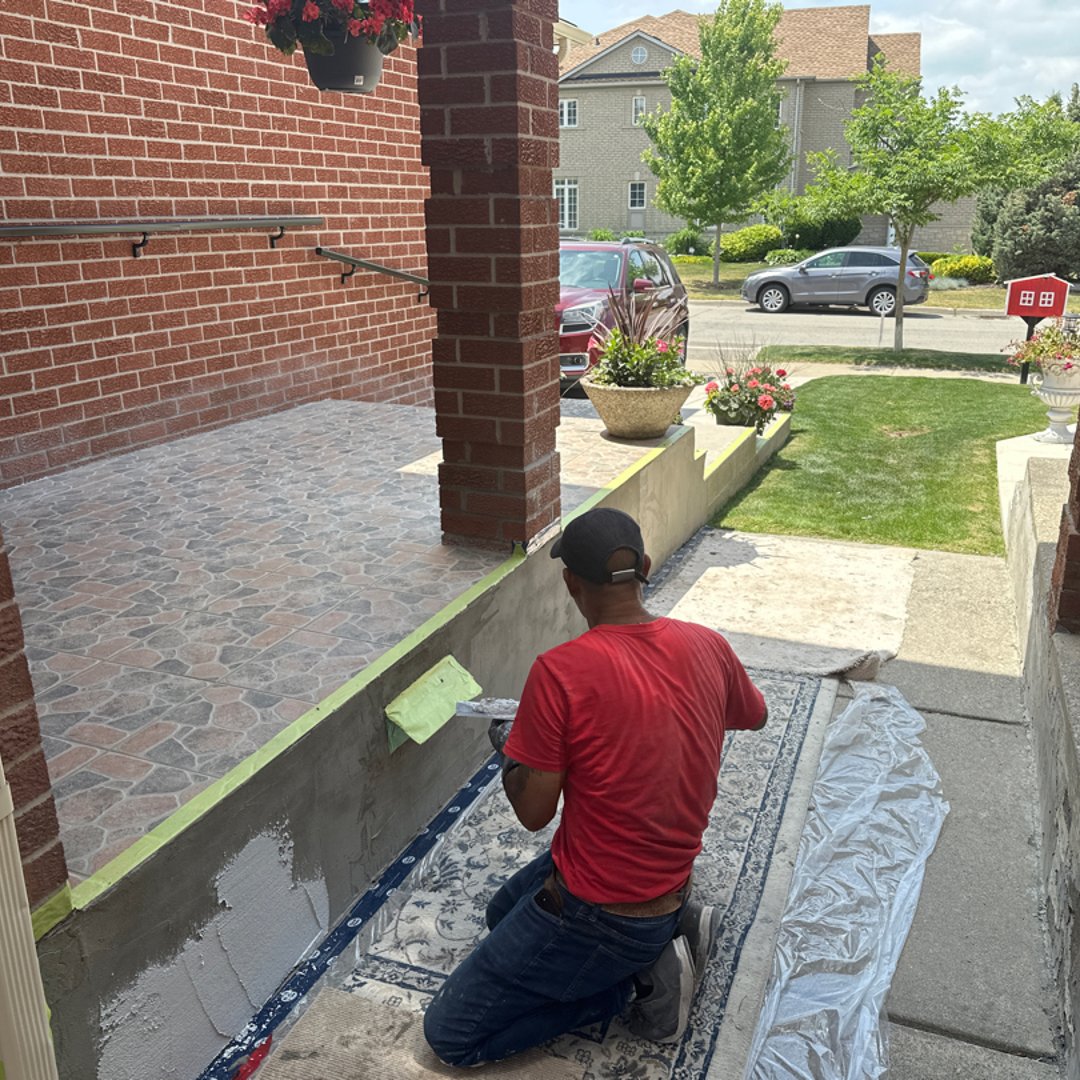
Clean prep, proper materials, careful execution. We're detail-oriented because the small stuff determines how long the work lasts.
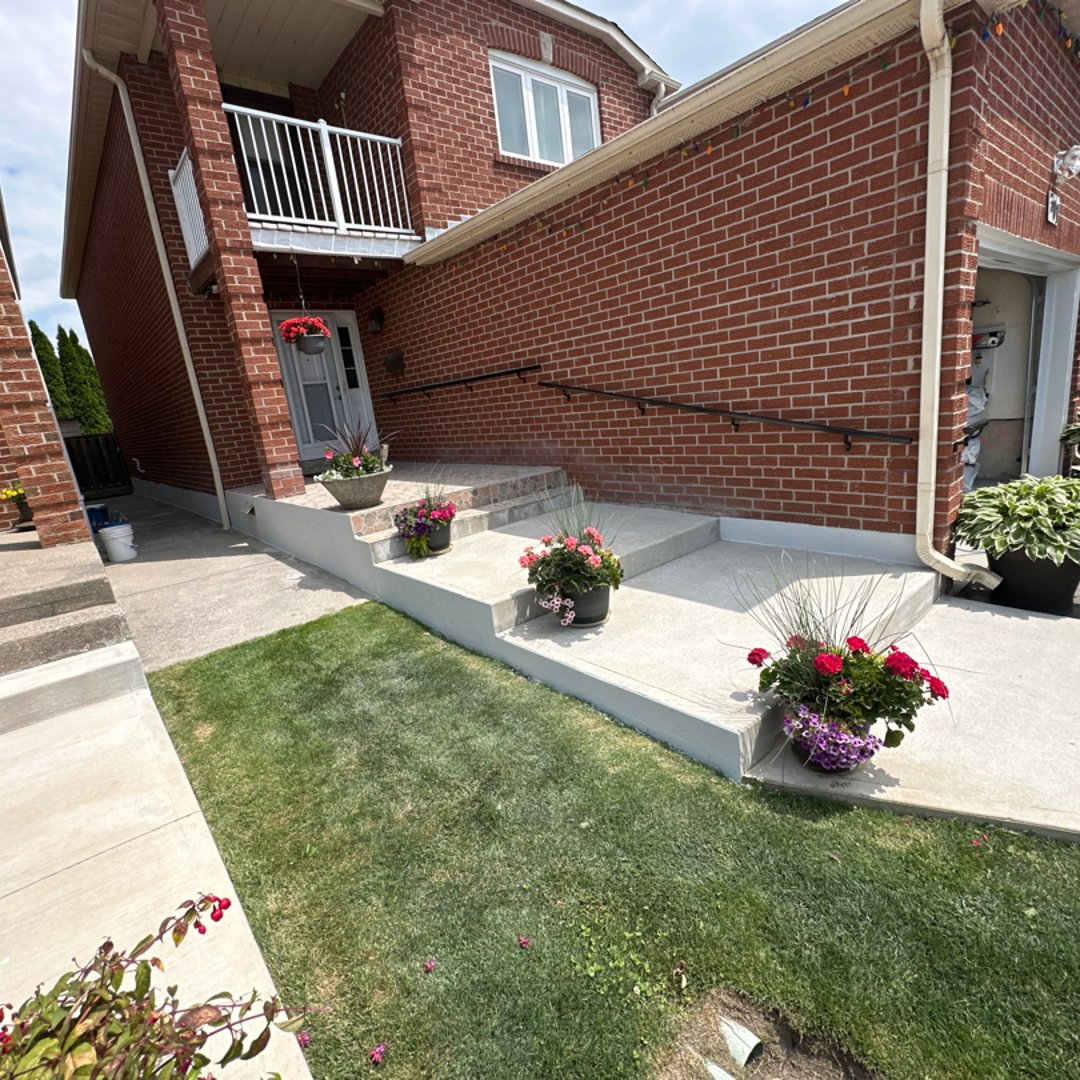
Repairs that blend in, a site you'd never know we touched, and a warranty you can count on.
Clear documentation of what's included in every project
We let you know when we're coming, what we're doing, and when we're done
We review the finished work together before sign-off
Ready to get started? Book a free on-site estimate.
Schedule EstimateBrick and mortar matching so seamless, you can't tell where we worked.
Same trained team on every job. No middlemen, no surprises.
Drop cloths, dust control, daily cleanup. Your yard stays as clean as we found it.
Something not right? We come back and fix it. In writing.
4.9★ average. See what your neighbours say.
Heritage work requires specialized skills and materials—here are the main factors
Simple repointing differs from full restoration with detail replication. We assess and scope accurately.
Standard lime mortar is readily available. Custom mixes, salvaged brick, or specialty stone require sourcing.
Heritage buildings often have complex access. Protecting surrounding elements during work adds time.
Designated properties may require detailed documentation, photography, and heritage committee coordination.
Removing inappropriate cement repairs carefully takes more time than standard preparation.
Heritage restoration is specialized work. We provide detailed proposals explaining scope, methods, and costs.
Your Quote Includes
Free on-site quote · No obligation
800+ reviews
Our 1890s home had cement repointing that was destroying the brick. Fix My Brick removed it all, repointed with lime, and the difference is remarkable. The brick can breathe again.
Margaret H.
Heritage-designated property with strict requirements. They handled the permit process, worked with the heritage committee, and the restoration passed inspection first time.
William T.
Needed to match 100-year-old brick for a repair. They found salvaged brick that matched perfectly and used traditional lime mortar. Cannot tell where the repair is.
Christine B.
Everything you need to know before getting started.
Explore related services, locations, and helpful guides from our masonry experts.
4 services
5 locations
We restore heritage masonry throughout Southern Ontario. Traditional techniques, period-appropriate materials, and heritage compliance.
14 cities
8 cities
6 cities
10 cities
11 cities
12 cities
17 cities
Don't see your city? Contact us—we likely service your area. Contact us to check if we cover your area.
Ready to Get Started?
Book your estimate online in minutes. Pick a time, upload project photos, and you're confirmed instantly. No phone tag required.