1
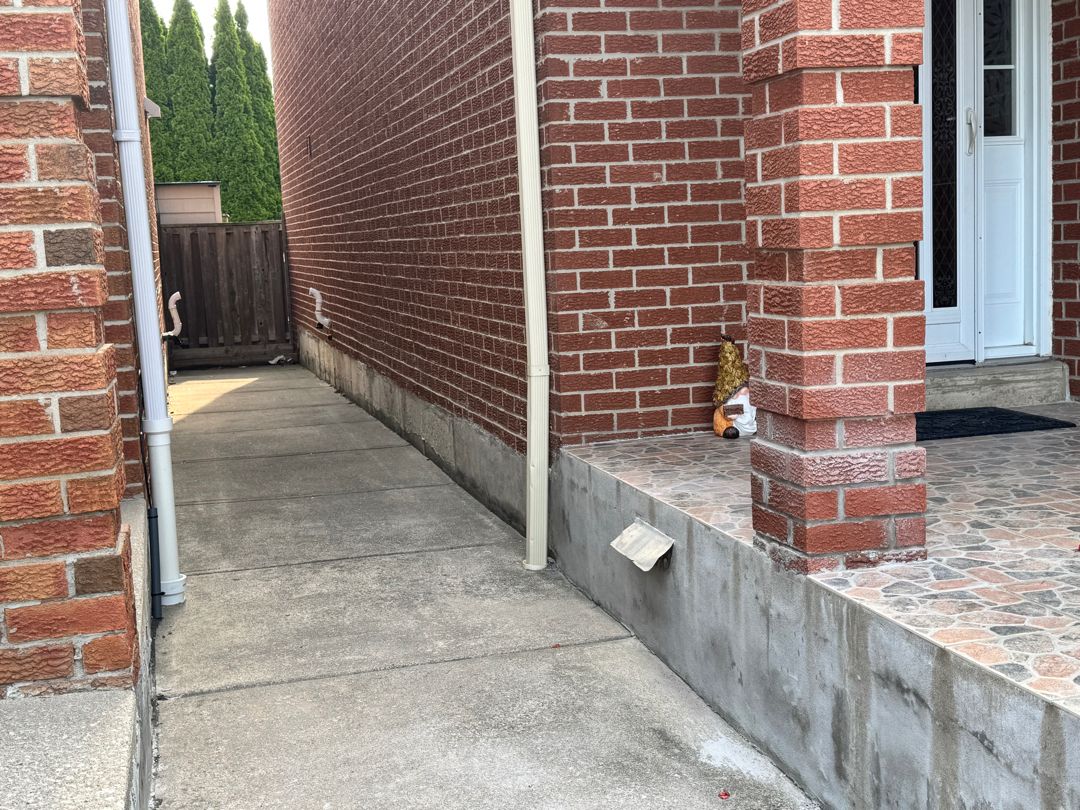
Before
We Assess the Problem
We inspect the damage, identify what caused it, and plan the fix. No shortcuts—just a clear path to doing it right.



Brick damage doesn't fix itself. Spot these warning signs early to avoid expensive repairs later.
Cracked mortar and damaged brick allow water into the building envelope. Freeze-thaw cycles then accelerate deterioration, causing spalling, structural damage, and interior water damage that spreads quickly.
Previous repairs using hard Portland cement on soft lime mortar buildings trap moisture and cause accelerated cracking. Wrong materials damage original masonry faster than natural weathering.
Buildings designated under heritage acts require work meeting conservation standards. Non-compliant repairs trigger enforcement action and can result in costly re-work or fines.
Seeing any of these? Get a free assessment.
Facade preservation is the practice of protecting and maintaining historic building facades—using appropriate materials and techniques to prevent deterioration while retaining architectural character.
Preservation differs from restoration. Where restoration returns a building to a previous state, preservation focuses on maintaining current condition and preventing further deterioration. The goal is stabilization and protection, not transformation.
Designated heritage building
Buildings under heritage protection require compliant work.
Visible deterioration
Crumbling mortar, spalling brick, or staining indicates active problems.
Post-acquisition
New owners establish baseline condition and maintenance plans.
Different brick problems call for different repairs. We look at the damage and recommend the lightest fix that actually solves it—nothing more, nothing less.
Comprehensive evaluation of facade condition, identifying deterioration, previous repairs, and preservation priorities. Documentation supports planning and heritage compliance.
Regular inspection and minor repairs to catch problems early. Repointing, caulking, and protective treatments prevent costly failures.
Addressing active deterioration through repointing, brick consolidation, and structural repair. Uses heritage-appropriate materials.
Removal of soiling, biological growth, and staining using methods that do not damage historic materials. No aggressive sandblasting.
Not sure which service you need?
Protect value while maintaining character
Preventive preservation costs less than major restoration. Addressing problems early protects building value.
Proper preservation retains the architectural elements that make historic buildings significant.
Work that meets conservation standards satisfies heritage authorities and avoids enforcement issues.
Regular preservation extends facade life by decades. These buildings were built to last with proper care.
Well-maintained historic buildings attract quality tenants who value character and craftsmanship.
Our Process
Transparent process, quality results. Here's what to expect.
We inspect the damage, identify what caused it, and plan the fix. No shortcuts—just a clear path to doing it right.
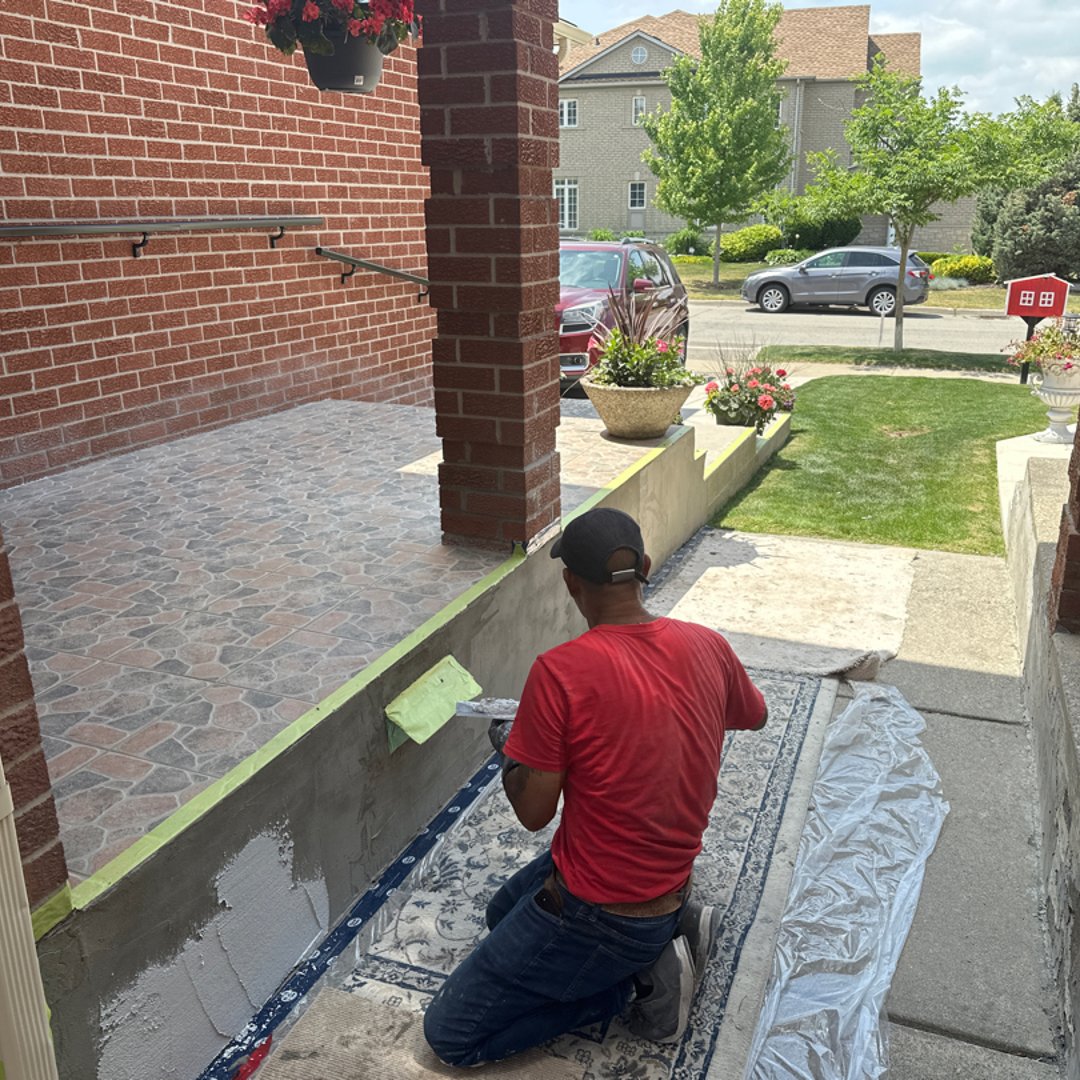
Clean prep, proper materials, careful execution. We're detail-oriented because the small stuff determines how long the work lasts.
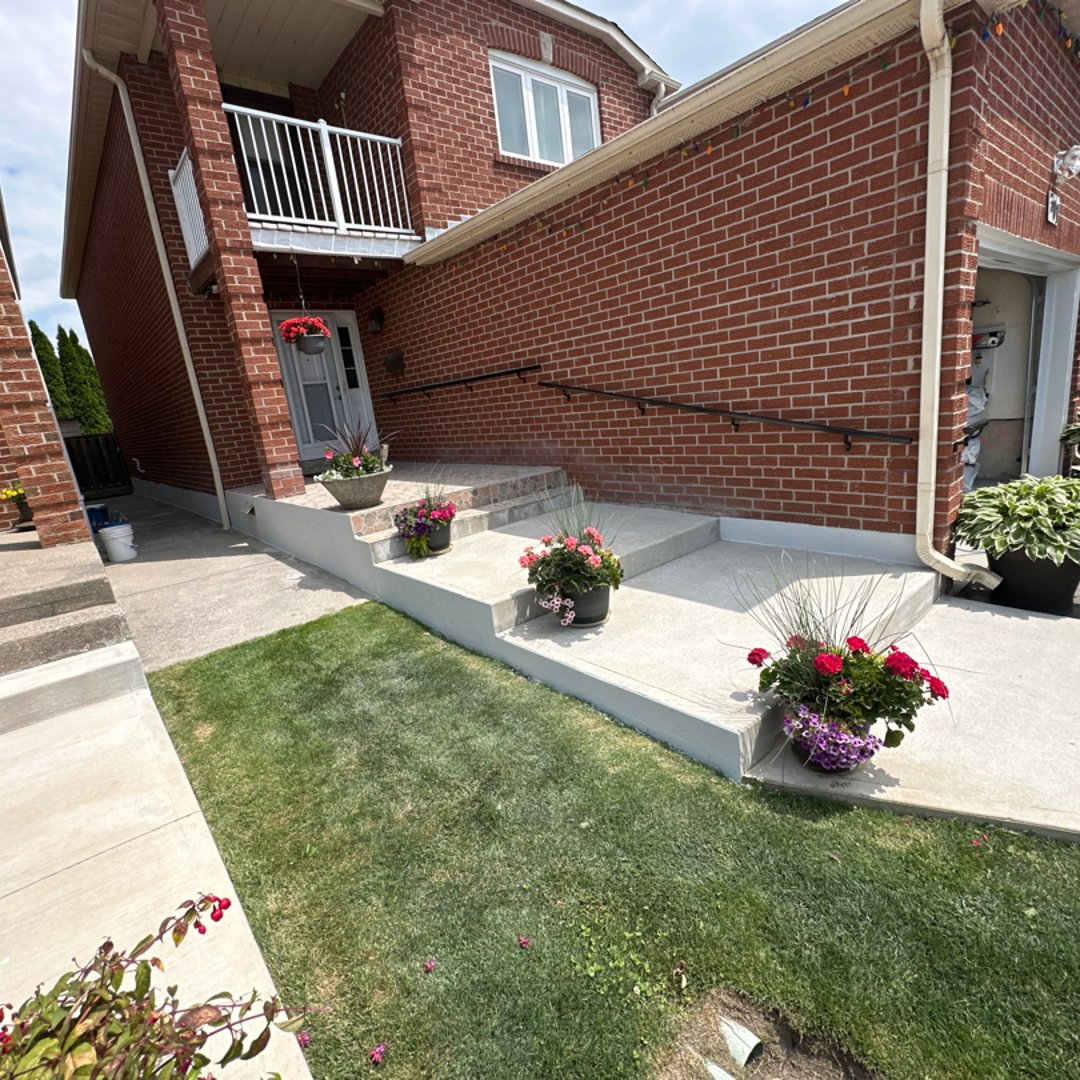
Repairs that blend in, a site you'd never know we touched, and a warranty you can count on.
Clear documentation of what's included in every project
We let you know when we're coming, what we're doing, and when we're done
We review the finished work together before sign-off
Ready to get started? Book a free on-site estimate.
Schedule EstimateBrick and mortar matching so seamless, you can't tell where we worked.
Same trained team on every job. No middlemen, no surprises.
Drop cloths, dust control, daily cleanup. Your yard stays as clean as we found it.
Something not right? We come back and fix it. In writing.
4.9★ average. See what your neighbours say.
Preservation is an investment—here are the main factors
Larger facades and complex architectural details require more assessment and work time.
Buildings with years of deferred maintenance need more initial work than those regularly maintained.
Multi-story buildings require scaffolding or swing stages, adding to project cost.
Custom lime mortars and sourcing compatible brick for heritage buildings affects material costs.
Heritage-designated buildings may require detailed documentation for compliance submissions.
We provide detailed proposals explaining scope, approach, and costs. Preservation is an investment in building longevity.
Your Quote Includes
Free on-site quote · No obligation
800+ reviews
Our 1890s commercial building needed proper care. Fix My Brick understands heritage requirements and used appropriate materials throughout. The facade looks better than it has in decades.
Margaret H.
Previous contractors made things worse with hard cement. Fix My Brick explained what went wrong and developed a proper preservation plan. Patient, knowledgeable, and professional.
David W.
Managing multiple heritage properties, I need contractors who understand the requirements. Fix My Brick delivers consistent quality with proper documentation.
Christine P.
Everything you need to know before getting started.
Explore related services, locations, and helpful guides from our masonry experts.
4 services
5 locations
We preserve historic building facades throughout Southern Ontario. From assessment to ongoing maintenance, we protect architectural heritage.
14 cities
8 cities
6 cities
10 cities
11 cities
12 cities
17 cities
Don't see your city? Contact us—we likely service your area. Contact us to check if we cover your area.
Ready to Get Started?
Book your estimate online in minutes. Pick a time, upload project photos, and you're confirmed instantly. No phone tag required.